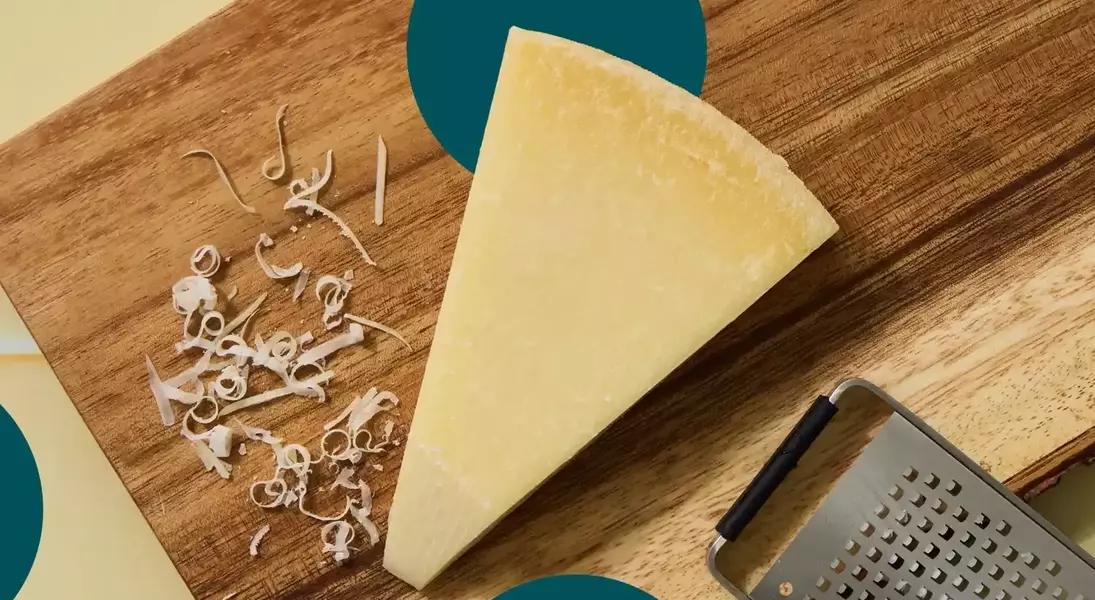
Unveiling the Vegetarian Dilemma in Parmesan Cheese
The Unforeseen Vegetarian Conundrum in Cheese
For many who embrace a vegetarian diet, cheese frequently appears as a reliable protein source. It’s common practice to enhance vegetarian dishes, such as eggplant parmesan or pasta with broccoli, with a generous sprinkle of cheese. The general perception often leans towards cheese being inherently vegetarian. Given Parmesan's status as a globally cherished cheese, boasting a market value of .4 billion in 2024 and projected to hit .2 billion by 2030, it seems logical to assume its vegetarian suitability. Its pervasive presence in various food products, from packaged meals to upscale dining, further reinforces this assumption. However, the reality of Parmesan cheese, particularly concerning its vegetarian status, is far more complex than it appears.
Decoding Parmesan: Beyond a Simple Slice
The vegetarian aspect of Parmesan cheese is not straightforward. This complex issue highlights the crucial importance of examining food labels and understanding the components of the food we consume. The intricacies of Parmesan's production reveal why this beloved hard cheese demands a closer look from a vegetarian perspective.
Defining Parmesan Cheese: A Spectrum of Identities
The term "Parmesan cheese" encompasses a broad range of products, with authentic Parmigiano-Reggiano at the pinnacle. This esteemed cheese is crafted exclusively from rennet, salt, and raw, unpasteurized milk. Its Protected Designation of Origin (PDO) status, known as Denominazione di Origine Protetta (DOP) in Italy, signifies a deep connection to its geographical origin. Michele Casadei Massari, U.S. brand ambassador for Parmigiano-Reggiano, emphasizes that every step of its production, from milking to grating, must occur within specific Italian provinces, ensuring its unique characteristics.
The Rigorous Craftsmanship of Authentic Parmigiano-Reggiano
The creation of Parmigiano-Reggiano adheres to stringent artisanal and natural methods, precluding the use of additives or preservatives. Each wheel undergoes meticulous inspection by the Consorzio del Parmigiano-Reggiano, the official governing body, before it reaches consumers. While all Parmigiano-Reggiano is Parmesan, the reverse is not true for most other Parmesan cheeses.
Distinctions Among Parmesan Cheeses: A Broader Landscape
Consider Grana Padano, another DOP-regulated Parmesan, which can be produced over a wider area. Its production might incorporate a protein from egg whites to regulate fermentation and can be sold after a minimum of nine months of aging, as opposed to Parmigiano-Reggiano's twelve. Furthermore, numerous American-made Parmesan cheeses exist, which, despite their quality and adherence to similar aging processes, cannot bear the Parmigiano-Reggiano designation. These distinctions underscore the diverse nature of products labeled as "Parmesan."
The Non-Vegetarian Factor: Understanding Rennet's Role
The primary reason why many Parmesan cheeses are not vegetarian lies in a single ingredient: rennet. Specifically, traditional Parmesan, including Parmigiano-Reggiano, utilizes animal rennet derived from the stomachs of slaughtered milk-fed young animals like cows or goats. This enzyme is fundamental to the ancient production process of Parmigiano-Reggiano, facilitating the natural coagulation of milk, a method that dates back nearly a millennium. Many other cheeses, such as Pecorino Romano, Gorgonzola, Gruyère, and certain Cheddars and mozzarellas, also incorporate animal rennet. According to Andrew Westrich, former marketing manager for Organic Valley, the production of all hard cheeses typically requires rennet-type enzymes.
Exploring Vegetarian Parmesan Options
Fortunately, vegetarian Parmesan options are available. These versions replace animal rennet with plant-based enzymes, often sourced from artichokes or thistles, or with microbial-based substitutes created from mold enzymes in a laboratory setting. For instance, Organic Valley offers a shredded Parmesan that is vegetarian-friendly, designed to broaden access to Parmesan's complex flavors. They achieve a rich taste comparable to Italian DOP counterparts through organic milk from pasture-raised cows and a 300-day aging process.
A Spectrum of Vegetarian Alternatives
Beyond Organic Valley, brands like BelGioioso also provide vegetarian Parmesan options. Vegans can find grated Parmesan alternatives from brands like GOOD PLANeT Foods. For those seeking more artisanal choices, Kinara by Fiandino, a hard cheese from Piemonte, Italy, uses raw cow's milk and thistle rennet, and Twineham Grange, a Vegetarian Society Approved cheese, utilizes vegetable rennet. However, these specialized options may be less readily available.
Making Informed Dietary Choices
In conclusion, while authentic Parmigiano-Reggiano is not vegetarian due to its use of animal rennet, a variety of vegetarian Parmesan cheeses are now accessible in grocery stores. To ensure your cheese aligns with your dietary preferences, it is essential to check product labels for "vegetarian" claims or look for ingredients like plant- or microbial-based enzymes instead of traditional rennet. This careful selection can lead to discovering new and delicious products that fit your lifestyle.